

Commercial roofing systems differ from residential roofs in terms of materials, installation techniques, and performance requirements. Unlike residential roofs that often prioritize aesthetic aspects, commercial roofs emphasize durability and functionality to cover larger areas and withstand different environmental conditions. These systems are engineered to meet stringent building codes and are designed to accommodate additional features like HVAC systems and skylights.
In this blog, we will discuss the most common commercial roofing types and their applications, providing insights into their unique advantages and potential drawbacks.
Built-Up Roofing (BUR)
Built-up roofing, or BUR, is one of the oldest and most reliable commercial roofing systems. It consists of multiple layers of bitumen and reinforcing fabrics that create a durable and waterproof surface. This multi-layered approach provides redundancy, ensuring the roof remains watertight even if one layer is compromised. BUR is known for its excellent protection against harsh weather conditions and its long lifespan, often lasting several decades with minimal maintenance.
Pros of BUR:
- Proven durability and reliability make it a preferred choice for buildings requiring robust protection.
- Excellent waterproofing capabilities due to its layered construction, preventing leaks and water damage.
- Low maintenance requirements reduce the need for frequent inspections and repairs, thus lowering long-term costs.
Cons of BUR:
- Can be heavy, requiring additional structural support, which may increase the overall cost of the roofing project.
- Installation can be time-consuming due to the multiple layers involved, potentially leading to higher labor costs.
Modified Bitumen Roofing
Modified bitumen roofing is similar to BUR but includes polymer-modified materials that enhance its flexibility and performance. This roofing type is ideal for buildings with high foot traffic or those located in areas with extreme temperature fluctuations. The added flexibility allows the roof to expand and contract without cracking, a critical feature in climates with significant temperature swings.
Pros of Modified Bitumen:
- High resistance to tearing and punctures, making it suitable for areas with heavy foot traffic or potential debris impacts.
- Excellent UV protection, which prolongs the roof’s life by minimizing the degrading effects of sun exposure.
- Easy to maintain and repair, with straightforward patching processes that can be handled quickly and cost-effectively.
Cons of Modified Bitumen:
- Can be more expensive than other options, particularly when high-quality materials are chosen.
- Limited color options, which might be a drawback for buildings where aesthetic considerations are paramount.
Single-Ply Roofing Systems
Single-ply roofing systems are popular for their ease of installation and versatility. These systems consist of a single layer of membrane made from synthetic materials, which can be applied over existing roofing systems, saving time and labor costs. Common types include TPO, PVC, and EPDM, each offering unique benefits and considerations based on the building’s needs and environmental conditions.
Thermoplastic Polyolefin (TPO)
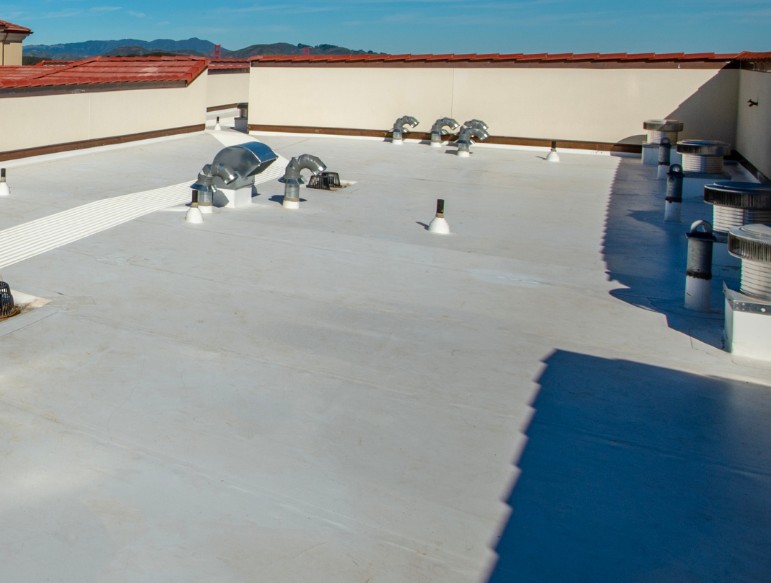
TPO roofing is a single-ply membrane that is known for its energy efficiency and cost-effectiveness. It is resistant to UV rays, making it an excellent choice for buildings in sunny climates. This resistance helps reduce heat absorption, leading to lower cooling costs and increased comfort for building occupants.
Pros of TPO:
- Energy efficient, reducing heating and cooling costs by reflecting sunlight and heat away from the building.
- Reflects heat, reducing roof surface temperature and prolonging the life of HVAC systems due to less strain.
- Environmentally friendly and recyclable, appealing to businesses focused on sustainability and eco-friendly practices.
Cons of TPO:
- Susceptible to punctures, especially in areas with heavy foot traffic or where rooftop installations are frequent.
- Seams can become weak over time, necessitating regular inspections to ensure long-term integrity.
Polyvinyl Chloride (PVC)
PVC roofing offers excellent durability and resistance to chemicals, making it suitable for commercial buildings like restaurants or warehouses that may be exposed to harsh substances. Its robust nature makes it ideal for roofs that must endure significant wear and tear without compromising performance.
Pros of PVC:
- High resistance to chemicals and pollutants, ensuring longevity even in harsh industrial environments.
- Durable and long-lasting, capable of maintaining its integrity over decades with proper maintenance.
- Fire-resistant properties provide an added layer of safety for buildings storing flammable materials.
Cons of PVC:
- Higher initial cost, which might be offset by its long-term durability and reduced need for repairs.
- Can become brittle in cold climates, potentially leading to cracking if not properly managed or installed.
Ethylene Propylene Diene Monomer (EPDM)
EPDM is a synthetic rubber membrane known for its exceptional durability and resistance to environmental stressors. It is commonly used in commercial roofing due to its cost-effectiveness and performance. EPDM’s flexibility allows it to withstand temperature fluctuations without cracking, making it a reliable choice in diverse climates.
Pros of EPDM:
- Long lifespan and low maintenance, with a reputation for durability that makes it a cost-effective option over time.
- Highly resistant to UV rays and ozone, preventing premature degradation and extending the roof’s service life.
- Easy to install and repair, with straightforward processes that minimize downtime and maintenance expenses.
Cons of EPDM:
- Black color absorbs heat, leading to higher cooling costs, though lighter colors are available at a premium.
- Vulnerable to punctures from foot traffic, necessitating careful management of rooftop activities and installations.
Metal Roofing
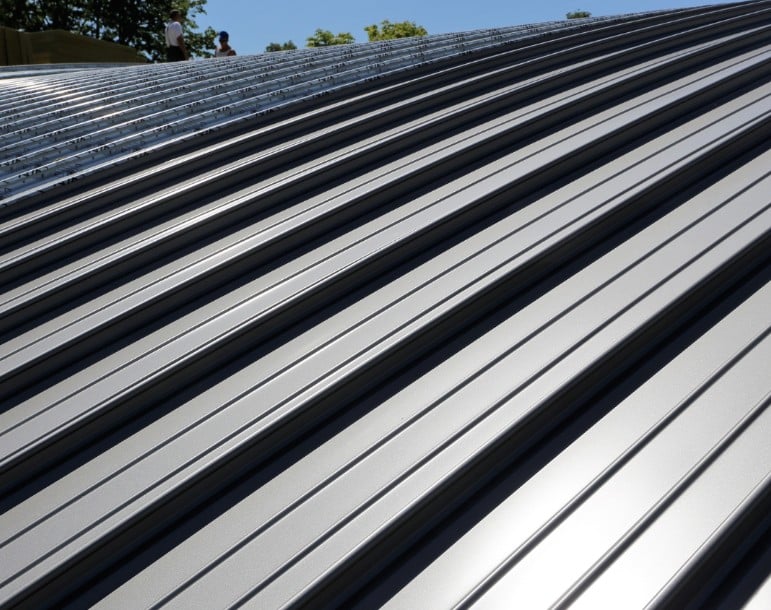
Metal roofing is renowned for its durability and aesthetic appeal. It is suitable for various commercial applications and offers a wide range of design options, allowing businesses to customize their roof’s appearance to match their branding or architectural style. Metal roofs are also highly reflective, contributing to energy efficiency by reducing cooling loads.
Pros of Metal Roofing:
- Extremely durable and long-lasting, often outlasting other roofing materials with minimal maintenance.
- Fire-resistant and environmentally friendly, made from recyclable materials that contribute to sustainability goals.
- Reflects heat, reducing cooling costs and providing a more comfortable environment inside the building during hot months.
Cons of Metal Roofing:
- Higher upfront cost compared to other materials, though this can be offset by its longevity and low maintenance needs.
- Can be noisy during rain or hail, although modern installations often include noise-dampening features to mitigate this issue.
How to Choose the Best Commercial Roofing Type
Selecting the right commercial roofing type involves considering several factors. Each factor plays a crucial role in ensuring that the chosen roof system not only meets current needs but also adapts to future demands and environmental conditions.
Climate and Weather Conditions
The local climate plays a significant role in determining the best roofing material for your building. For instance, TPO or PVC may be ideal for hot climates due to their reflective properties, while EPDM might be suitable for areas with varying temperatures.
Budget and Cost
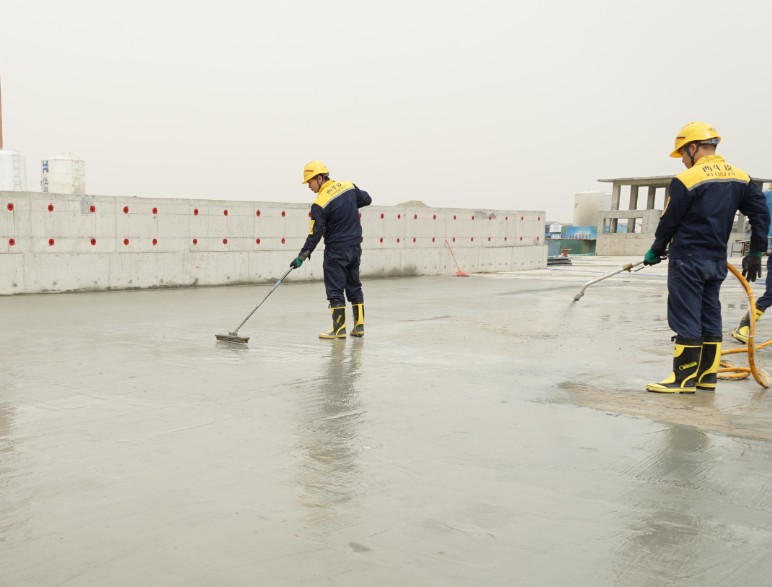
Budget constraints are always a factor in choosing a roofing system. While some materials like metal and PVC have higher upfront costs, they may offer long-term savings through durability and energy efficiency. It’s important to balance initial expenditures with potential savings in maintenance and energy bills, ensuring a comprehensive evaluation of the total cost of ownership.
Building Use and Foot Traffic
The intended use of the building and the amount of foot traffic can influence your choice. For example, a building with high foot traffic might benefit from the durability of modified bitumen or metal roofing. Consider also the types of activities conducted on the rooftop, such as equipment maintenance or recreational use, which may demand specific performance characteristics from the roofing system.
Aesthetic Considerations
The appearance of the roof can impact the overall look of the building. Metal roofs offer diverse design options, while single-ply membranes can be selected in different colors to suit your aesthetic preferences. A well-chosen roof can enhance the building’s curb appeal, potentially increasing property value and aligning with corporate branding strategies.
Conclusion
Selecting the right commercial roofing system comes down to understanding your building’s priorities, whether that’s durability, energy savings, or budget. At Salinas Exteriors, we work with property owners to break down the options and find a solution that makes sense for your structure and operations.
Partnering with a trusted contractor can make all the difference when navigating materials and long-term performance. A well-chosen roof protects your investment and supports the efficiency of your business. Contact Salinas Exteriors to explore your options and move forward with confidence.